The Salt
Where it is from.
World's Finest Salt, Curated in London. That sentence is a claim about curation, not a claim that the salt was mined in Britain. This page is the only long account of the mineral and the places. The catalogue names an origin on each piece. It does not repeat this essay.
Halite
Rock salt is halite, the mineral form of sodium chloride. It is an evaporite: crystals left when brine becomes saturated. The Handbook of Mineralogy describes the chemistry, the cubic crystals, and a set of classical localities. [1] The British Geological Survey classes the rock as halite-stone when halite makes up more than half of the salt. [2]
Britain has its own rock salt, in beds under parts of Cheshire, Yorkshire, and Northern Ireland. Those mines have chiefly supplied roads and industry. [3] This house does not pretend that a jar of finishing salt is that road salt. The wooden box is made to hold a chunk and a grater. It is not a claim that the salt was dug in London.
Khewra, and the word Himalayan
The pink rock in the catalogue is from the Khewra mine in the Salt Range, Punjab, Pakistan. UNESCO’s tentative list for the Salt Range and the Khewra Salt Mine places the mine there, in the rock salt of the Salt Range Formation. [4] “Himalayan pink salt” is a trade name. The mine is not in the High Himalaya. The pink colour is characteristic of that halite; this page does not invent a trace-metal assay for a jar that has not been packed. When a lot ships, any assay will be published on Transparency, not folded into this essay.

Târgu Ocna
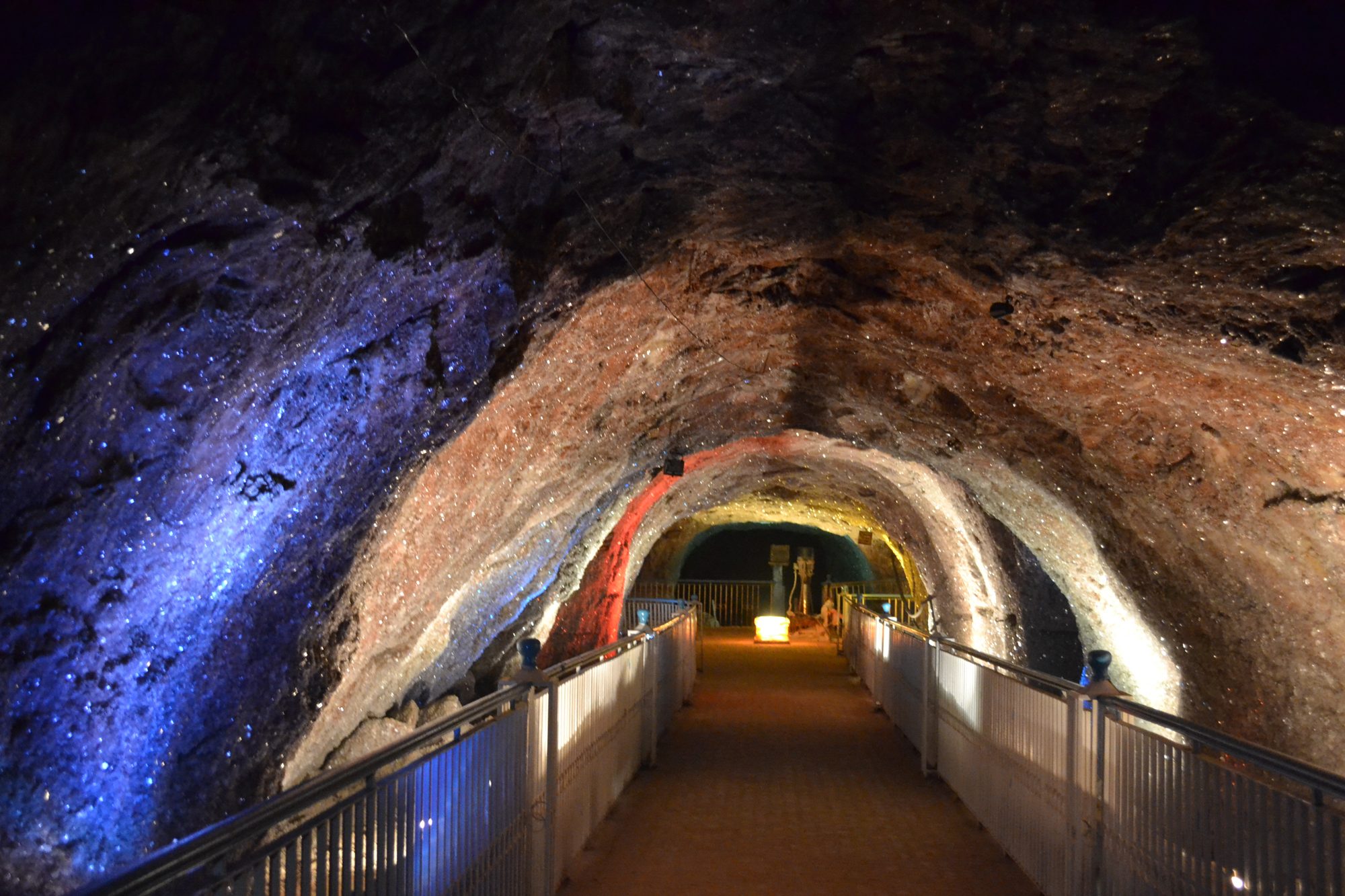
Carpathian rock salt in the house list is catalogued from Salina Târgu Ocna, in Bacău County, Romania. The photograph is the visitor chamber of that mine. We name the mine. We do not name a contract we have not printed. When a lot is packed, the supply goes on the piece and on Transparency.

Altaussee
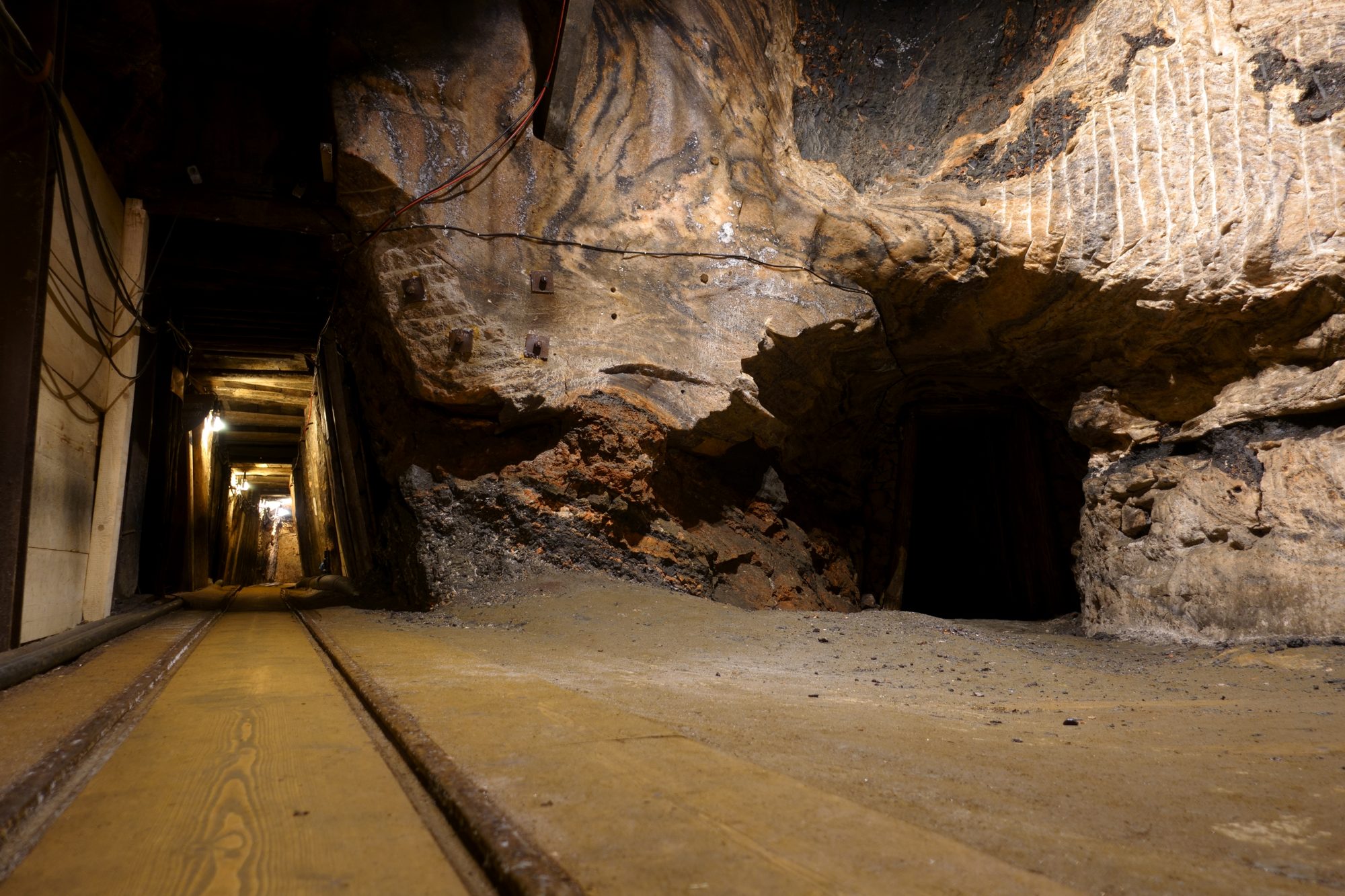
The Alpine rock is catalogued from the salt mine at Altaussee, in Styria. The photographs show the banded salt face, the rock salt, and a haulage tunnel in that mine. They are not a laboratory result, and they are not a quarry contract. The piece in the shop says the same thing, more shortly. Hallstatt is another salt mine, in the same country. The stair there is not the Altaussee lot.



Sicily, rock and pans
The Handbook lists halite from Girgenti — Agrigento — and from Racalmuto, in Sicily. [1] The Sicilian piece is white rock salt from that province: clear crystals, a plainer instrument than the pink chunk. We name the country of the evaporite. We do not name a quarry we have not contracted.
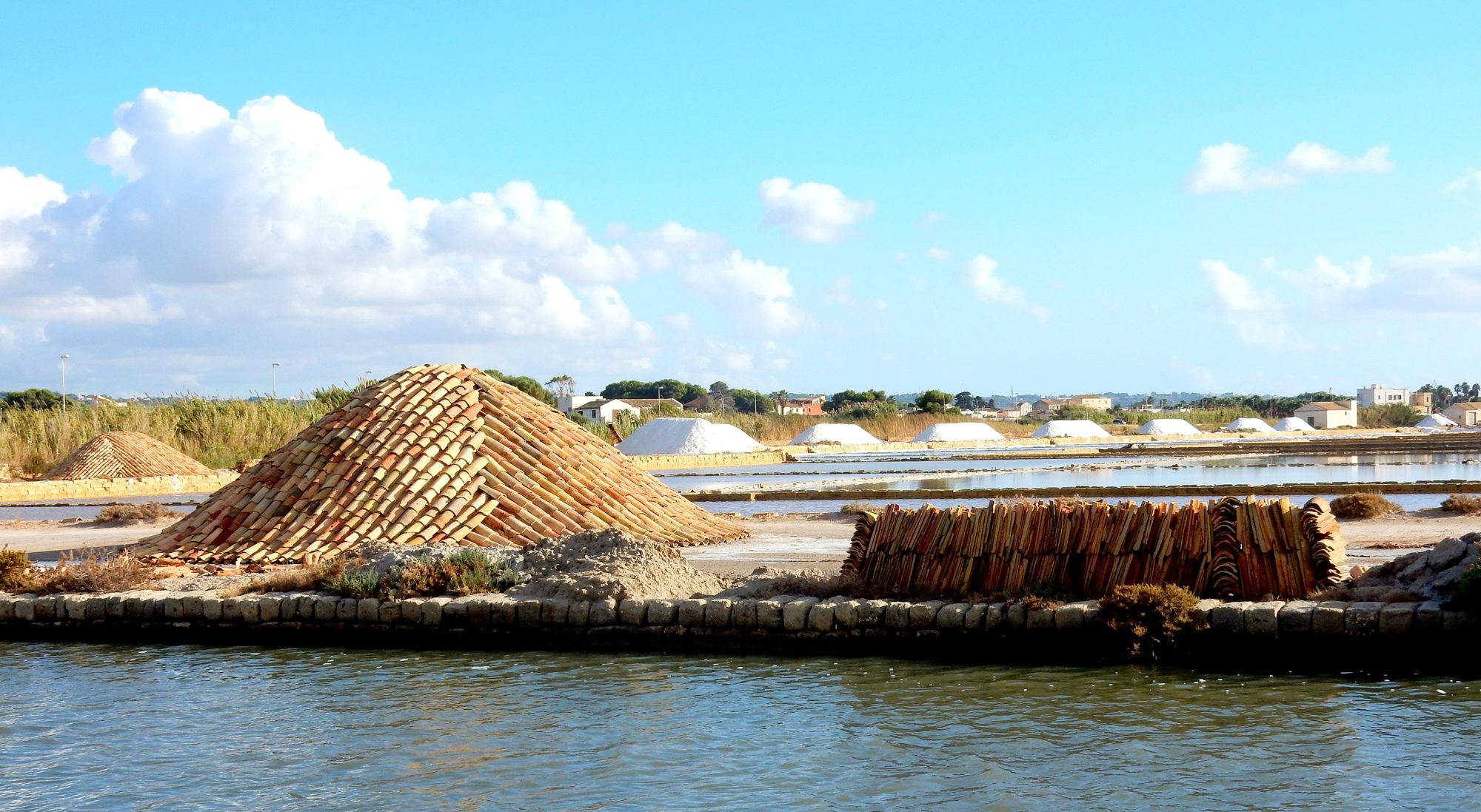
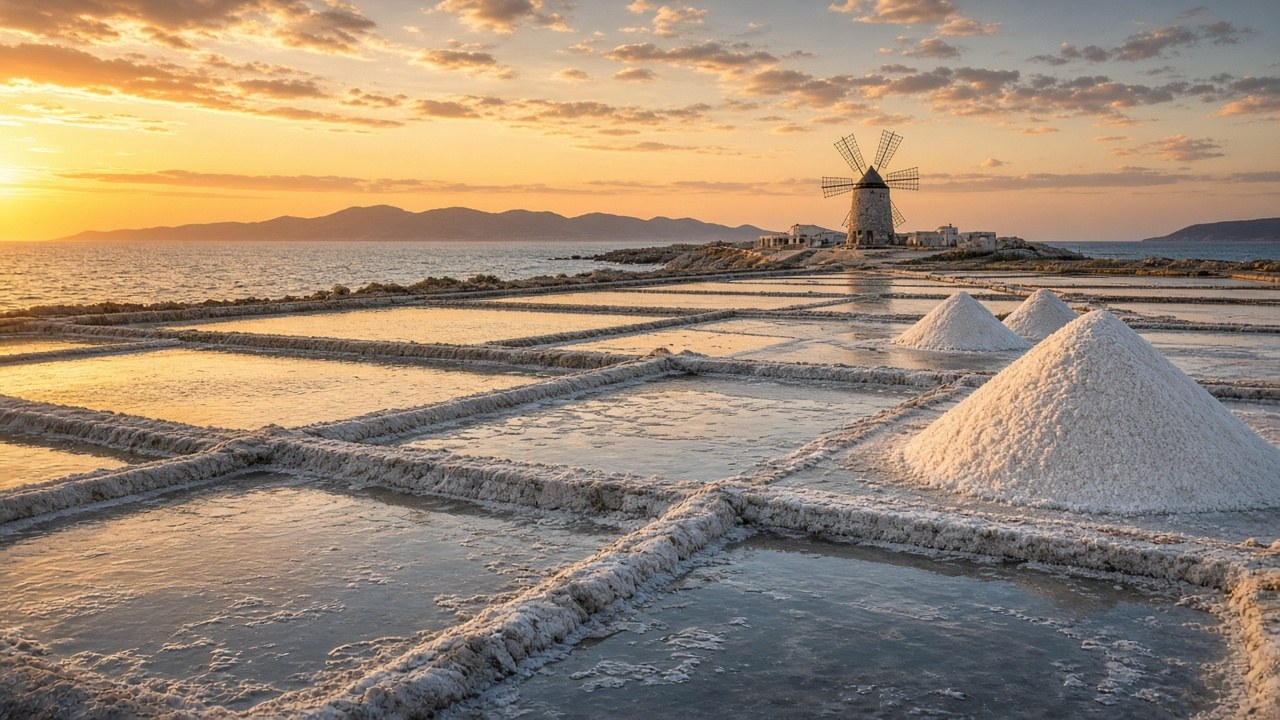
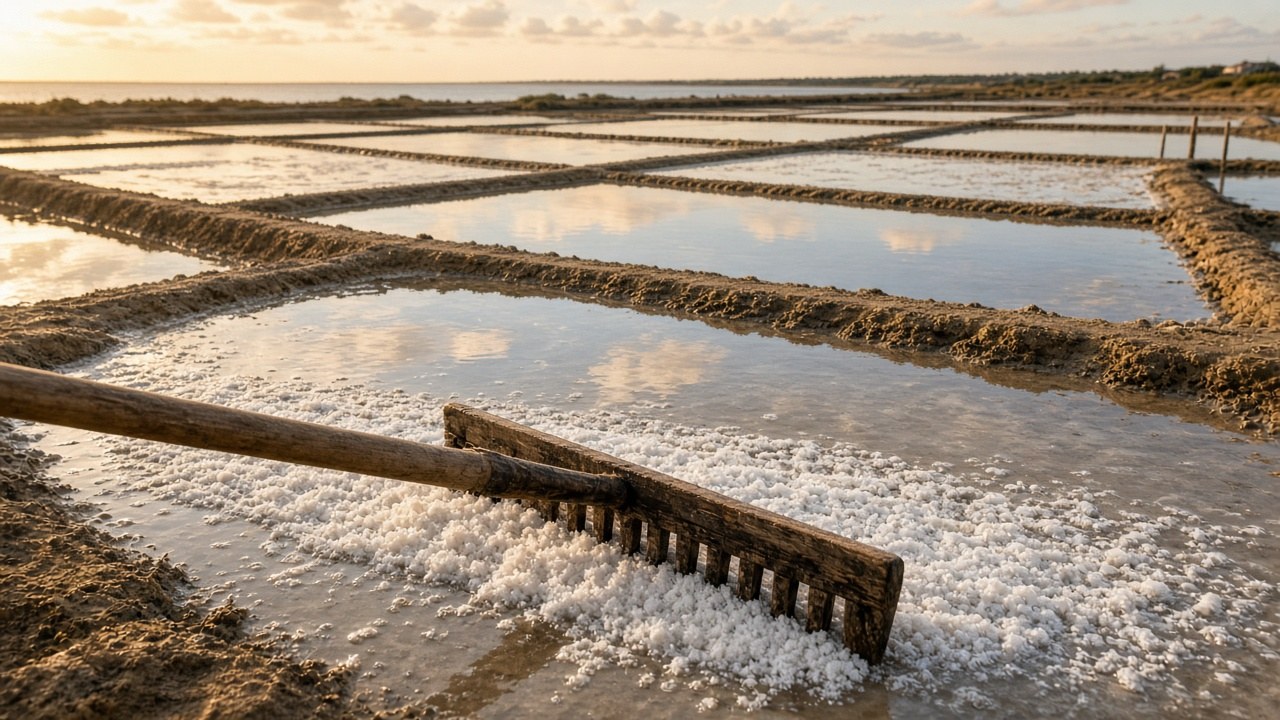
One photograph is the salt pans at Trapani, on the coast. Those pans make sea salt by evaporation in the open. They are a Sicilian salt landscape. They are not the rock. The other picture is a house studio image of pans of that kind. Neither is the Agrigento piece. The caption says so, because a pretty coast is an easy way to tell the wrong story.
Flakes
A finishing flake is made by evaporating brine so the crystals stay thin. They shatter between the fingers and dissolve on warmth. The jar in the shop is that kind of salt. The salting works are not named yet. The photograph of Guérande shows one famous marsh. It is not a claim that our flake is Guérande salt, or Maldon, or any other protected name. If a lot is entitled to a name, the label will say so, and not before. The harvest picture is a house studio image of that kind of work. It is not our jar.


Persian blue
Persian blue is a trade name for a rock salt whose crystals are blue, associated with Iran. The photograph from the commons is a small one, and it stays small. The blue is a colour. This page does not turn it into an assay, a health claim, or a count of how rare the salt is in the world. The works for our lot are named when the lot card can say so.

How the kinds differ
Rock salt is a crystal you can see. It crunches, then dissolves. A wooden grater makes gravel of it, which is the point of the box. A flake is a thin plate of the same mineral, made to vanish. Grey salt, the moist sel gris of the Atlantic marshes, carries a little clay and brine and tastes rounder; we discuss it in the journal because it is not yet a jar on this list. Black salt in the shops is usually sea salt coloured with charcoal. It is a finish, not a mine. Pink is not a flavour. It is a colour in a crystal of halite, and it tells you nothing until you taste the crystal beside a white one. Blue, here, is the Persian crystal, and the same warning applies.
We do not sell a smoked salt or a wild-garlic salt. If you want smoke or allium, that is a different ingredient. Salt is the carrier only when we say we have made a preparation, and we have not put one in this shop.
How to use them
Salt the cooking water with a fine salt you do not need to admire. Finish the plate with the salt you bought for its shape. Flake goes on at the end, from a height. A rock-salt chunk is broken or grated, not ground to dust, and left where the eye can find it: tomatoes, cucumber, a roast root, the top of a chocolate tart if you are certain. The grater lives in the box so the crystal does not have to be smashed with a pestle.
Taste as you go, and taste again when the food has cooled a little. Heat hides salt, then gives it back. The practical note on finishing with rock salt is in the journal. The pieces themselves, with their own tasting notes, are in the shop.
The list
| Piece | Kind | Origin as catalogued | Weight |
|---|---|---|---|
| The British Saltbox | Salt | Wooden box and grater, London. Rock salt chunks — mines named with the lot | 400g |
| Himalayan Pink Rock Salt Chunk | Salt | Khewra Salt Mine, Salt Range, Punjab, Pakistan | 250g |
| Carpathian rock salt, Romania | Salt | Salina Târgu Ocna, Bacău County, Romania | 250g |
| Austrian Alpine Rock Salt | Salt | Altaussee salt mine, Styria, Austria | 250g |
| Sicilian Rock Salt | Salt | Agrigento province, Sicily, Italy | 250g |
| Coastal Flake | Salt | House finishing flake — salting works named before sale | 100g |
| Persian Blue Salt | Salt | Iran — works named on the lot card | 100g |
Sources
- Halite
[1] Handbook of Mineralogy, Mineralogical Society of America. Halite is sodium chloride. The Handbook lists localities that include the Salt Range and Sicily (Girgenti and Racalmuto). Its Salt Range wording follows older literature.
- Halite-stone (HALIST)
[2] British Geological Survey, Rock Classification Scheme. Halite-stone is a sedimentary rock in which halite is more than half of the non-carbonate salt.
- Rock on: all about road salt
[3] British Geological Survey, published with Show.me.uk. British rock salt occurs in beds under parts of Cheshire, Yorkshire, and Northern Ireland, and is mined largely for roads and industry.
- The Salt Range and Khewra Salt Mine
[4] UNESCO World Heritage Centre, Tentative List. Places the Khewra mine in the Salt Range, Punjab, Pakistan, in the rock salt of the Salt Range Formation.
Photograph credits for the origin pictures are on Transparency.